
Website design
A website made for your business, and looked after.
Designed around your work and your customers, quick on every phone, set up for search, and watched around the clock from your dashboard.
Read the video
Hi, I’m Cameron with Solid Site Studios, and I’m here to show you how easy this is. Here’s an example, this heating company’s website. Somebody searches for furnace repair, and there they are. Here’s one of their ads, showing up for people right around them. And here’s a post, made from their own photos. They tap approve, and the post goes up. Now this is their dashboard. This is where the AI does all the work. Watch, I’ll follow up on every unpaid invoice. Done. Every customer who owes them just got a friendly reminder. And here’s what else it handled for them today. Customer questions answered, reminders sent, reviews requested, payroll ready. Everything for the business, all in one spot. If you’d like that for yours, book a call with me.
What every website includes
- Designed for youBuilt around your work, your town and your customers.
- Ready for searchStructured for the searches your customers already run.
- Quick on every phoneMost visitors arrive on a phone, so it is built for one first.
- One clear next stepA call, a booking or a quote request, right where visitors decide.
- Looked afterChecked around the clock from your dashboard; changes are one request away.
Our work
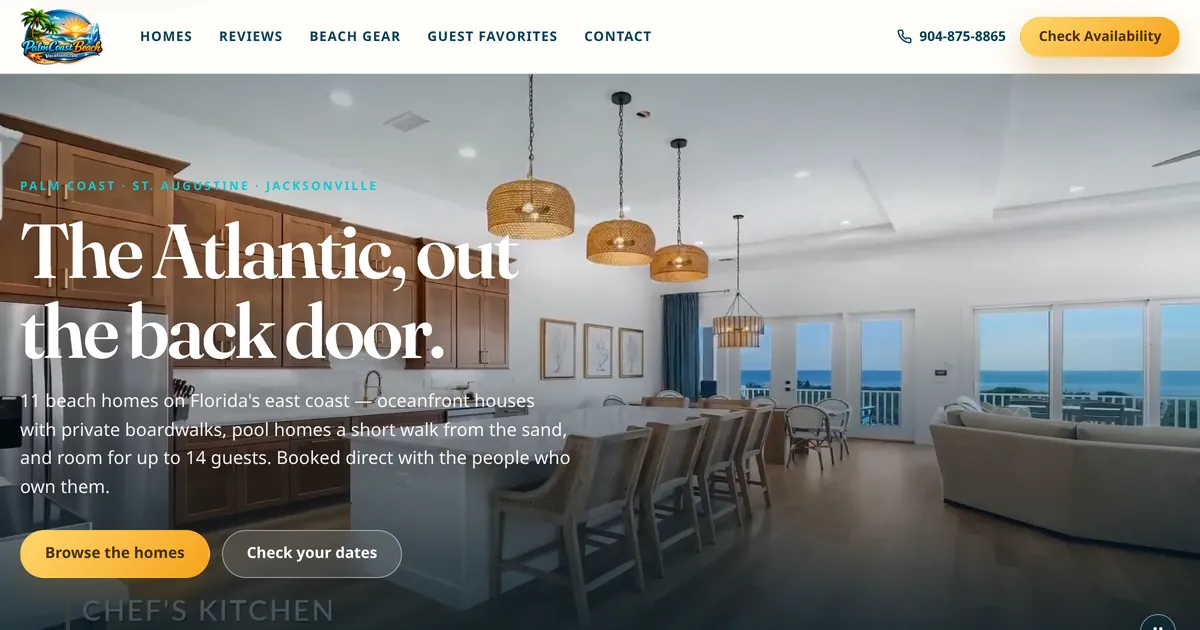 Palm Coast Beach VacationsEleven beach homes on Florida’s east coast, booked direct with the people who own them.
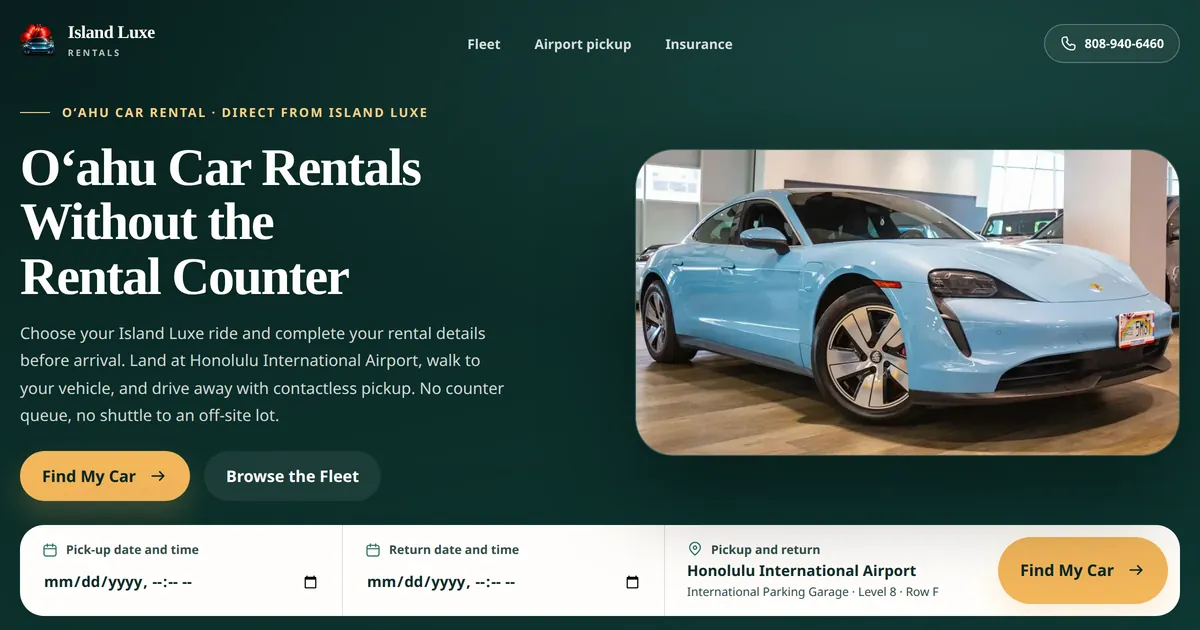 Island Luxe RentalsO‘ahu car rental with contactless airport pickup and no counter queue.
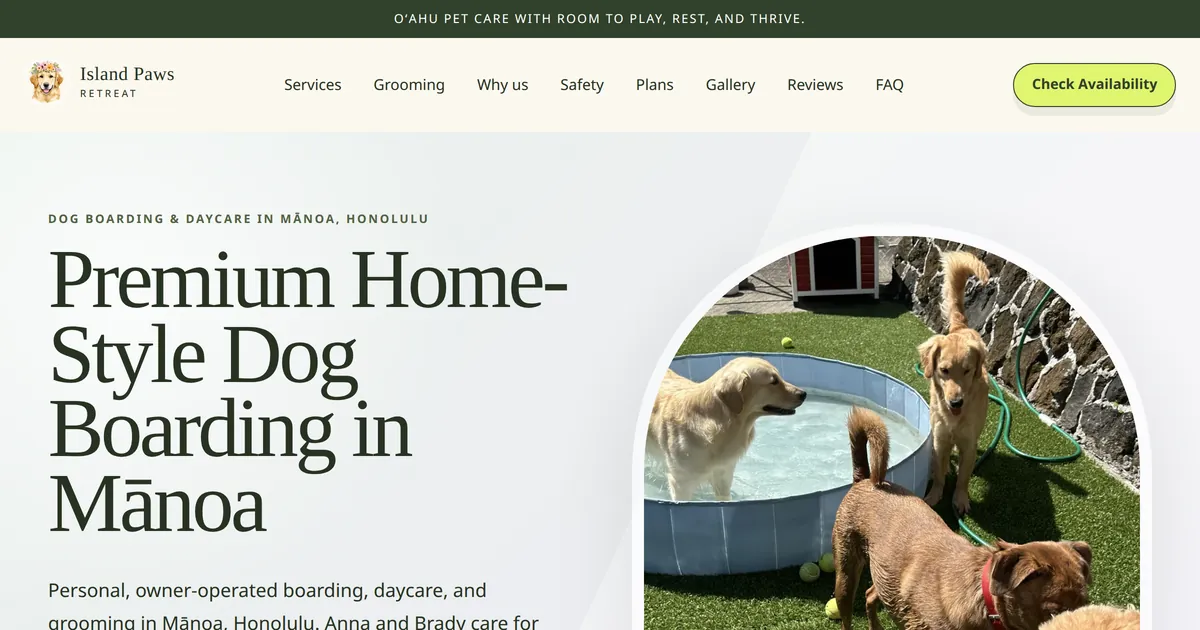 Island Paws RetreatOwner-operated dog boarding, daycare and grooming in Mānoa, Honolulu.
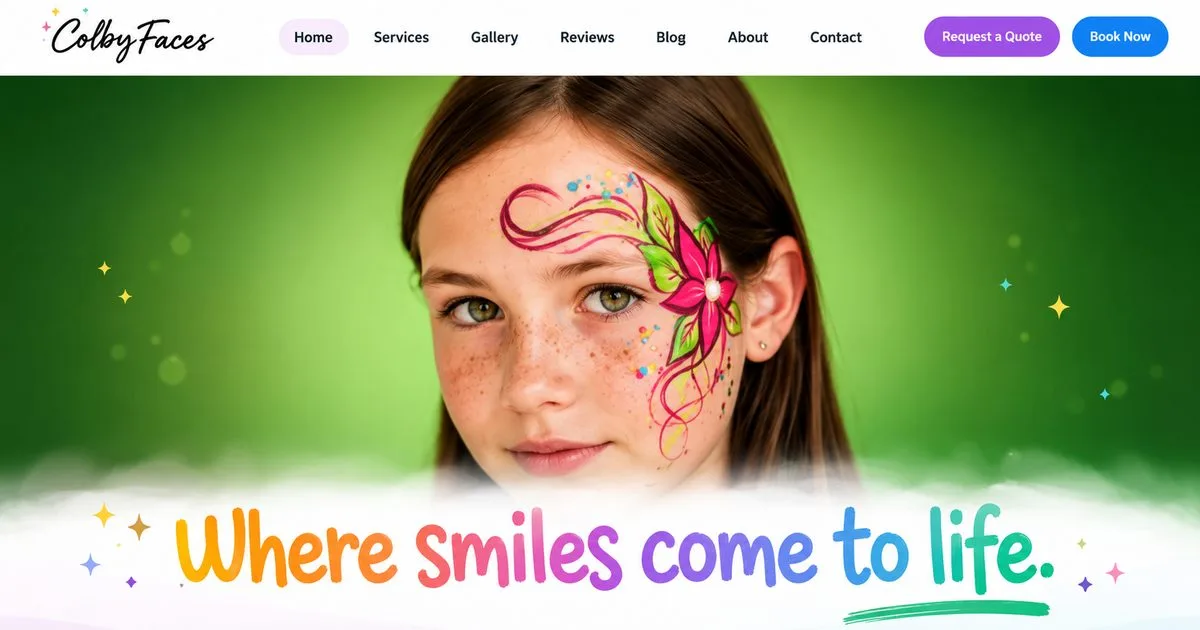 Colory FacesRebuilt for search — first page in fifteen days
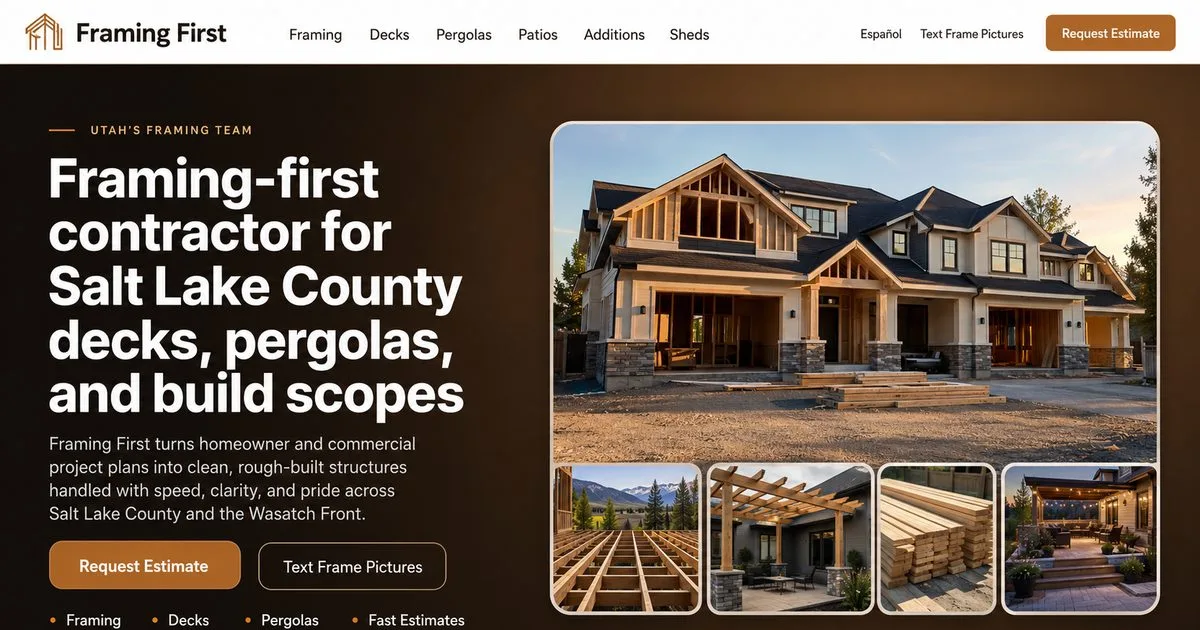 Frame PlatinumCraftsmanship first, estimate second
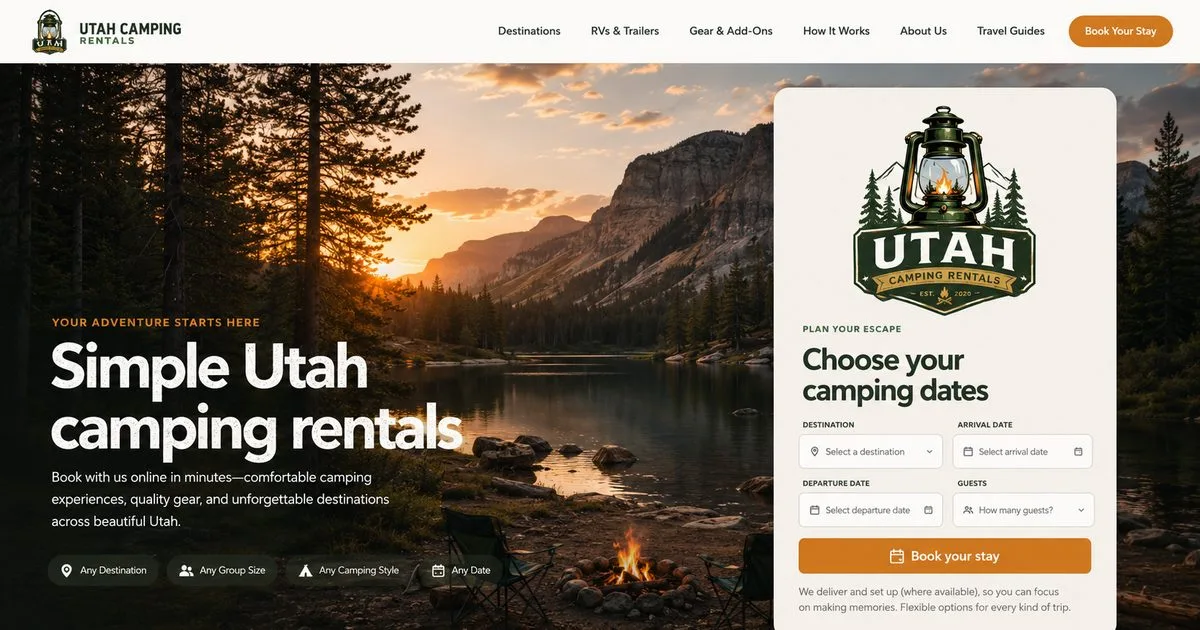 Utah Camping Gear RentalsA rental platform that starts with the dates
Let’s grow your business.
Pick a time and we call you. 30 minutes, nothing to install.